





Piriformis Stretch: Relieve Hip and Sciatic Pain Naturally
Hip tightness, lower back discomfort, or pain that travels down your leg can often be linked to the piriformis muscle. This small muscle sits deep in the buttock and plays an important role in hip movement and stability. When it becomes tight or inflamed, it may irritate the sciatic nerve, leading to a condition commonly called Piriformis Syndrome.
A piriformis stretch is one of the most effective and simple exercises to release muscle tension, improve mobility, and reduce sciatic pain. Physiotherapists often recommend this stretch as part of a rehabilitation routine for people dealing with hip stiffness, prolonged sitting pain, or nerve-related discomfort.
If you are experiencing such symptoms, consulting a professional for physiotherapy in Dwarka or physiotherapy in Delhi can help you learn the correct stretching technique and avoid further injury.
Understanding the Piriformis Muscle
The piriformis muscle connects the lower spine to the upper thigh bone and helps rotate the hip outward. Although small, it plays a significant role in stabilizing the hip joint.
Problems occur when this muscle becomes tight due to:
- Long hours of sitting
- Poor posture
- Overuse during exercise
- Muscle imbalance in the hips or lower back
When the piriformis muscle tightens, it can compress the sciatic nerve, causing pain in the buttock, hip, and sometimes the back of the leg.
Regular stretching helps relax this muscle and restore normal movement.
How to Perform the Piriformis Stretch
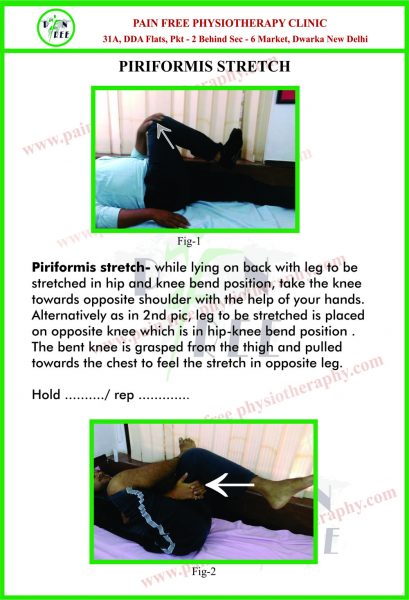
The lying piriformis stretch is one of the most recommended physiotherapy exercises.
Step-by-step instructions:
- Lie flat on your back on a comfortable surface.
- Bend both knees and place your feet flat on the floor.
- Place the ankle of the affected leg over the opposite knee.
- Hold the thigh of the supporting leg and gently pull it toward your chest.
- You will feel a stretch in the buttock area.
- Hold the position for 20–30 seconds.
- Repeat 3–4 times on each side.
This stretch should feel gentle and controlled. If pain increases, stop immediately and consult a physiotherapist.
Benefits of Piriformis Stretching
Adding piriformis stretches to your daily routine can provide multiple benefits for both recovery and prevention.
Key advantages include:
- Relief from sciatic nerve pain
- Improved hip flexibility and mobility
- Reduced buttock and lower back tightness
- Better posture and spinal alignment
- Support in managing Piriformis Syndrome
Physiotherapists often combine this stretch with hip mobility exercises, glute strengthening, and posture correction to provide long-term relief.
At Pain Free Physiotherapy and Chiropractic Clinic, trained therapists guide patients through personalized rehabilitation programs designed to target the root cause of pain.
When to Seek Professional Physiotherapy
While stretching at home can help in mild cases, persistent pain should not be ignored. If you experience symptoms such as constant hip pain, tingling in the leg, or difficulty sitting for long periods, professional evaluation is recommended.
Clinics offering physiotherapy in Dwarka and physiotherapy in Delhi provide expert assessment and treatment plans that may include:
- Manual therapy
- Targeted stretching routines
- Muscle strengthening exercises
- Posture correction programs
- Pain management techniques
For patients who cannot travel due to pain or mobility issues, home visit physiotherapy services are also available. This allows patients to receive professional treatment and guidance in the comfort of their home.
Early physiotherapy intervention can prevent the condition from worsening and help restore normal movement faster.
Frequently Asked Questions
- How often should I do piriformis stretches?
Perform piriformis stretches 1–2 times daily, holding each stretch for 20–30 seconds to gradually improve hip flexibility and reduce muscle tightness. - Can piriformis stretching help relieve sciatica?
Yes. Piriformis stretching can reduce pressure on the sciatic nerve and help relieve buttock, hip, and leg pain caused by piriformis syndrome. - When should I see a physiotherapist for piriformis pain?
If pain lasts more than a few days, worsens, or causes numbness in the leg, consult a physiotherapist for proper diagnosis and treatment.