




How Sauna Therapy Complements Physiotherapy for Faster Muscle Recovery
Muscle soreness after a tough training session or physical rehabilitation is a familiar experience for most active people. The body needs time to repair, rebuild, and adapt after physical stress, and how you support that process matters. While physiotherapy remains the gold standard for structured recovery and injury rehabilitation, a growing body of research suggests that sauna therapy can play a meaningful supporting role when used alongside it.
Understanding how these two approaches work together can help patients and athletes make more informed decisions about their recovery routines.
How Heat Affects Muscle Recovery
When muscles undergo stress, whether from resistance training, endurance work, or post-injury rehabilitation, tiny structural disruptions occur at the cellular level. The body responds with inflammation, which is a necessary part of healing, but it also triggers delayed-onset muscle soreness (DOMS) and temporary loss of strength and performance.
Heat therapy works by increasing blood flow to affected tissues, dilating blood vessels so that more oxygen and nutrients reach damaged muscle tissue while metabolic waste products are flushed out more efficiently. A review published through Brigham and Women’s Hospital examined the role of thermotherapy in preventing and treating DOMS, noting that heat therapy is generally most effective treatment after the acute phase of inflammation has passed. This timing distinction is important, and it is precisely where working alongside a physiotherapist adds real value.
Practical Considerations When Combining Both Approaches
Not every patient is an ideal candidate for sauna therapy, and it should never be introduced without consulting a physiotherapist first. Certain conditions – including acute injuries, cardiovascular issues, or active inflammation – may make heat therapy inadvisable in the short term.
This method of timing heat exposure around structured rehabilitation is a principle built into dedicated recovery systems. Brands like Polar Recovery produce cold plunge and sauna equipment designed to support this type of alternating heat and cold protocol, which is increasingly applied in both athletic and clinical recovery settings.
A study published in PubMed found that post-exercise infrared sauna sessions reduced muscle soreness and improved perceived recovery compared to passive rest, with the biggest gains seen when heat was applied after, not during, the acute inflammatory phase. For patients dealing with muscular pain from overuse or repetitive strain, sauna sessions scheduled 24 to 48 hours after a physio appointment can help extend the benefits of that session.
Muscles that have been mobilised and treated manually tend to respond well to subsequent heat exposure, which helps maintain the tissue elasticity gained during treatment.
Here are a few general guidelines for patients considering saunas as part of their recovery:
- Timing matters. Use the sauna after the acute phase of any injury has resolved and always after – not before – physiotherapy sessions that involve joint movement techniques or deep tissue work.
- Duration and temperature. Sessions of 15 to 20 minutes at moderate temperatures (around 40-60°C for infrared, 70-90°C for traditional) are most commonly studied and recommended.
- Hydration. Sauna exposure increases fluid loss through sweating. Adequate hydration before and after a session is essential, particularly during active rehabilitation.
- Frequency. Two to three sessions per week is a reasonable starting point for most recovery protocols, though the frequency should be adjusted based on overall training load and individual response.
Where Physiotherapy and Sauna Therapy Overlap
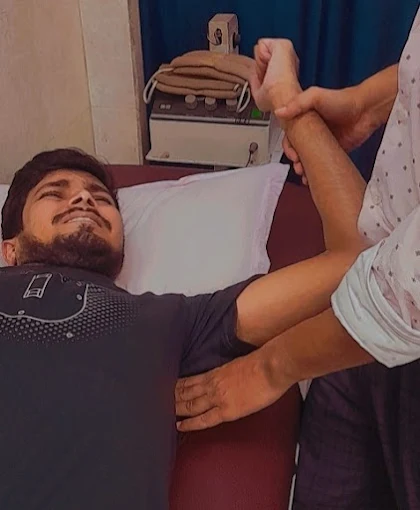
Rehabilitation often includes carefully timed interventions to support recovery. Sports physiotherapy focuses on restoring function, strength, and movement after injury or intense physical activity. A physiotherapist designs a structured program – manual therapy, targeted exercise, electrotherapy, and progressive loading – based on a patient’s individual condition and goals.
Sauna therapy does not replace any of that. What it can do is create a physiological environment that supports the work happening in the clinic. Research published in PMC also found that sauna hyperthermia increases blood flow to muscle by supporting cardiovascular output, which helps deliver nutrients and hormones to recovering tissue. The increased circulation from regular sauna use helps tissues stay supple and well-nourished between sessions, and muscle relaxation from heat exposure can make manual therapy techniques more effective.
Understanding the Limits
Sauna therapy is a supportive tool – not a treatment in its own right. It does not address movement dysfunction, muscle imbalances, or the mechanical factors that often underlie chronic pain and injury. Addressing these issues calls for direct physiotherapy assessment and a structured rehabilitation plan.
The most effective recovery approaches combine the structural correction that physiotherapy provides with the systemic, whole-body support that heat therapy can offer. Neither is a shortcut, but together they address recovery from more angles than either method can achieve alone.
For anyone in active rehabilitation, the priority should always be working within the framework that a qualified physiotherapist has established. Sauna use can be added during recovery, based on how the body responds.
A Complementary Relationship Worth Exploring
The science behind sauna therapy and muscle recovery is still developing, and not every claim made about heat exposure is well-supported. What the current evidence does support is that heat therapy – used correctly and at the right time – can meaningfully reduce soreness, support tissue recovery, and complement the structured work of physiotherapy.
As rehabilitation approaches continue to evolve, patients who take an active role in understanding their recovery options tend to see better outcomes. Sauna therapy is one tool worth discussing with your physiotherapist – particularly if you are managing chronic muscle fatigue, returning from injury, or looking to enhance recovery between training sessions.