




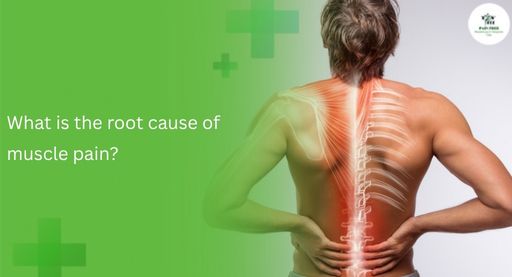
What is the root cause of muscle pain?
Muscle pain isn’t just a minor inconvenience; it can quietly affect your daily life, sleep quality, and even your mood. Whether it’s a dull ache after a long day or a sharp pain that won’t go away, understanding the root cause of muscle pain is the first step toward real, lasting relief.
Many people rely on quick fixes like painkillers or rest, but here’s the truth: muscle pain often has deeper underlying causes. If you don’t address the root issue, the pain tends to come back stronger.
In this guide, we’ll break down the real reasons behind muscle pain, how to identify them, and what actually works to fix them.
What Is Muscle Pain?
Muscle pain, also known as myalgia, can affect one area or your entire body. It may feel like:
- Soreness or stiffness
- Sharp or burning pain
- Tightness or spasms
- Deep, lingering discomfort
While occasional muscle soreness is normal, chronic or recurring pain is a sign that something isn’t right.
Root Causes of Muscle Pain (Explained Simply)

Let’s get straight to the point: muscle pain doesn’t just “happen”. There’s always a reason behind it.
1. Muscle Overuse or Strain
One of the most common causes.
- Intense workouts
- Repetitive movements
- Poor lifting techniques
When muscles are overworked, tiny tears occur, leading to inflammation and pain.
This is why you feel sore after gym sessions or physical activity.
2. Poor Posture (A Silent Trigger)
If you sit for long hours, especially in front of a screen, this could be your main issue.
- Slouching
- Forward head posture
- Improper sitting position
Over time, poor posture creates muscle imbalances, leading to chronic pain in the neck, shoulders, and back.
3. Myofascial Pain Syndrome
This is a deeper and often overlooked cause.
- Trigger points (knots in muscles)
- Pain that spreads to other areas
- Tight, sensitive muscle bands
If your pain feels persistent and localized, this could be the root cause.
At Dr. Roshan Jha’s clinic, many patients dealing with chronic muscle pain find relief through targeted therapies like manual release and physiotherapy.
4. Stress and Emotional Tension
Yes, your mental health directly affects your muscles.
- Stress causes muscle tightening
- Leads to headaches, neck pain, back stiffness
- Chronic stress = chronic pain
Your body holds stress physically, especially in the shoulders and upper back.
5. Dehydration and Nutritional Deficiency
Muscles need proper hydration and nutrients to function.
- Lack of water → muscle cramps
- Low magnesium or potassium → spasms
- Poor diet → weak muscle recovery
Even mild dehydration can trigger muscle discomfort.
6. Injury or Trauma
- Sprains
- Tears
- Accidents
Injuries cause inflammation, swelling, and restricted movement, leading to pain that may last if not treated properly.
7. Medical Conditions
Sometimes, muscle pain is a symptom of a deeper issue:
- Fibromyalgia
- Infections
- Autoimmune disorders
- Nerve-related conditions
If your pain is widespread and unexplained, it’s important to consult a professional.
How to Identify the Real Cause of Your Muscle Pain
Here’s a quick way to understand your condition:
| Symptom | Possible Cause |
| Pain after activity | Muscle strain |
| Constant tightness | Posture issues |
| Localized knots | Myofascial pain |
| Whole-body pain | Medical condition |
| Pain with stress | Emotional tension |
Proper diagnosis is key. Guesswork won’t fix the problem.
Best Treatments for Muscle Pain (That Actually Work)
Now let’s talk solutions, not temporary relief, but real recovery.
1. Physiotherapy
A proven and effective approach.
- Strengthens weak muscles
- Improves mobility
- Corrects posture
At Dr. Roshan Jha’s clinic, customized physiotherapy plans help target the root cause, not just symptoms.
2. Manual Therapy & Myofascial Release
Perfect for trigger points and tight muscles.
- Releases muscle knots
- Improves blood flow
- Reduces stiffness
This is especially effective for myofascial pain syndrome.
3. Chiropractic Care
Focuses on alignment.
- Corrects spinal issues
- Reduces nerve pressure
- Improves body mechanics
Many patients experience instant relief after sessions.
4. Stretching and Exercise
Simple yet powerful.
- Keeps muscles flexible
- Prevents stiffness
- Improves circulation
Consistency matters more than intensity.
5. Lifestyle Changes
Sometimes small habits make the biggest difference.
- Stay hydrated
- Improve posture
- Take regular breaks
- Manage stress
These changes help prevent recurring pain.
When Should You See a Specialist?
Don’t ignore these signs:
- Pain lasting more than a few weeks
- Severe or worsening pain
- Limited movement
- Pain spreading to other areas
Getting expert help early can prevent long-term damage.
Why Choosing the Right Clinic Matters
Not all treatments are the same.
At Dr. Roshan Jha’s clinic, the focus is on:
- Accurate diagnosis
- Personalized treatment plans
- Combination therapy approach
- Patient comfort and long-term recovery
This approach ensures that you don’t just feel better temporarily; you actually heal.
FAQs
1. What is the main cause of muscle pain?
The most common cause is muscle strain due to overuse or injury. However, poor posture, stress, and conditions like myofascial pain syndrome can also lead to persistent muscle pain.
2. How do you get rid of muscle pain fast?
Rest, hydration, gentle stretching, and physiotherapy can help reduce pain quickly. For lasting relief, addressing the root cause through proper treatment is essential.
3. Can stress cause muscle pain?
Yes, stress can cause muscle tension, especially in the neck, shoulders, and back. Chronic stress can lead to ongoing pain and stiffness if not managed properly.
4. What deficiency causes muscle pain?
Deficiencies in magnesium, potassium, and vitamin D can lead to muscle cramps, weakness, and pain. Proper nutrition plays a key role in muscle health.
5. When should I worry about muscle pain?
If pain lasts more than a few weeks, becomes severe, or affects daily activities, it’s important to consult a specialist to rule out underlying conditions.
Conclusion
Muscle pain isn’t something you should ignore or simply “live with”. It’s your body’s way of signalling that something needs attention. Whether it’s poor posture, stress, injury, or a deeper condition, identifying the root cause is the only way to achieve lasting relief.
Instead of relying on temporary fixes, focus on treatments that target the actual problem. With the right care, expert guidance, and a proactive approach, you can move from constant discomfort to complete recovery.
If you’re dealing with ongoing muscle pain, it might be time to take that next step and finally give your body the care it deserves.