



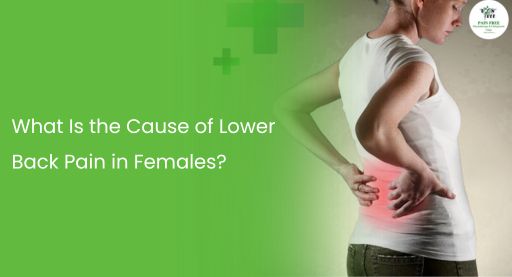
What Is the Cause of Lower Back Pain in Females?
Lower back pain is one of the most common health concerns among women. It can range from mild discomfort to severe pain that affects daily activities such as walking, sitting, or sleeping. Many women experience lower back pain due to hormonal changes, lifestyle habits, or underlying medical conditions.
Understanding the root cause of lower back pain in females is essential for effective treatment and long-term prevention. In this guide, we will explore the most common causes, symptoms, and treatment options—especially from a physiotherapy perspective.
Why Lower Back Pain Is More Common in Females
Women experience unique physiological and hormonal changes throughout life such as menstruation, pregnancy, and menopause which can contribute to back pain. Hormonal fluctuations can cause inflammation, muscle tension, and pelvic discomfort that radiates to the lower back.
Additionally, lifestyle factors such as sedentary work, poor posture, weak core muscles, and wearing high heels may also increase the risk of chronic lower back pain in women.
10 Common Causes of Lower Back Pain in Females
1. Menstrual Cycle and Hormonal Changes
Many women experience back pain before or during their menstrual period. Hormonal changes trigger uterine contractions that can radiate pain to the lower back.
This type of pain is often linked to premenstrual syndrome (PMS) and usually improves after the menstrual cycle ends.
Symptoms
- Lower back ache during periods
- Pelvic cramps
- Pain radiating to hips or thighs
2. Pregnancy-Related Back Pain
Pregnancy is one of the most common causes of lower back pain in women. As the baby grows, the body’s center of gravity shifts forward, placing extra pressure on the spine.
Hormones released during pregnancy also loosen ligaments in the pelvis, which can destabilize the spine and lead to pain.
Common symptoms
- Persistent lower back pain
- Pain while standing or walking
- Discomfort during sleep
3. Poor Posture
Poor posture is a leading lifestyle cause of lower back pain. Sitting for long hours with improper back support or slouching increases pressure on the lumbar spine.
Over time, this can cause muscle imbalance and chronic pain in the lower back.
Risk factors
- Desk jobs
- Mobile phone overuse
- Improper sitting habits
4. Muscle Strain or Ligament Injury
Muscle strain occurs when the muscles or ligaments in the lower back are overstretched. It often happens due to:
- Lifting heavy objects incorrectly
- Sudden twisting movements
- Overexertion during exercise
Muscle strain is one of the most common causes of acute lower back pain.
5. Endometriosis
Endometriosis is a gynecological condition where tissue similar to the uterine lining grows outside the uterus. This condition can cause severe pelvic pain and lower back pain.
It commonly affects women between the ages of 15 and 44.
Symptoms include
- Severe menstrual cramps
- Pelvic pain
- Lower back pain during periods
6. Ovarian Cysts or Fibroids
Ovarian cysts and uterine fibroids can also cause lower back pain in females. These conditions create pressure in the pelvic region that may radiate to the back.
Symptoms may include:
- Pelvic pressure
- Abdominal bloating
- Back pain
7. Sciatica
Sciatica occurs when the sciatic nerve is compressed or irritated. The sciatic nerve runs from the lower spine down through the legs.
This condition can cause:
- Sharp or burning lower back pain
- Pain radiating down the leg
- Numbness or tingling sensations
8. Osteoporosis
Osteoporosis is a condition that weakens bones and makes them fragile. Women are more likely to develop osteoporosis, especially after menopause.
Weak vertebrae may lead to compression fractures and chronic back pain.
9. Kidney Problems
Sometimes lower back pain is not related to the spine but to internal organs such as the kidneys.
Kidney infections or kidney stones can cause sharp pain in the lower back, often on one side.
10. Sedentary Lifestyle
A sedentary lifestyle weakens the muscles that support the spine. Long hours of sitting and lack of exercise reduce core stability and increase the risk of chronic back pain.
Poor ergonomics and prolonged sitting are major contributors to lower back pain in modern lifestyles.
Symptoms of Lower Back Pain in Females
The symptoms of lower back pain can vary depending on the cause.
Common symptoms include:
- Dull aching pain in the lower back
- Stiffness and reduced mobility
- Pain radiating to the hips or legs
- Tingling or numbness
- Pain worsening after sitting or standing for long periods
In some cases, severe symptoms such as numbness, weakness in the legs, or bladder problems may require immediate medical attention.
How Physiotherapy Helps Treat Lower Back Pain
Physiotherapy is one of the most effective non-surgical treatments for lower back pain.
At Pain Free Physiotherapy and Chiropractic Clinic, physiotherapy focuses on identifying the root cause of pain and restoring proper movement and posture.
Physiotherapy treatments may include:
1. Manual Therapy
Hands-on techniques help reduce muscle tension and improve joint mobility.
2. Posture Correction
Postural training helps reduce strain on the spine.
3. Strengthening Exercises
Core strengthening exercises support the spine and prevent recurring pain.
4. Stretching Programs
Targeted stretches improve flexibility and relieve tight muscles.
5. Dry Needling and Chiropractic Care
Advanced therapies can help relieve chronic pain and restore spinal alignment.
When Should You See a Physiotherapist?
You should consult a physiotherapist if:
- Back pain lasts longer than 1–2 weeks
- Pain radiates to the legs
- You experience numbness or weakness
- Pain interferes with daily activities
Early treatment can prevent chronic pain and improve recovery.
Tips to Prevent Lower Back Pain
Here are some simple steps women can follow to reduce the risk of lower back pain:
Maintain proper posture while sitting and standing
Exercise regularly to strengthen core muscles
Avoid lifting heavy objects incorrectly
Use ergonomic chairs and workstations
Maintain a healthy body weight
Wear supportive footwear
These lifestyle changes can significantly reduce stress on the spine.
Final Thoughts
Lower back pain in females can occur due to many reasons, including hormonal changes, pregnancy, poor posture, muscle strain, and medical conditions such as endometriosis or osteoporosis. Understanding the underlying cause is the key to effective treatment.
If you are experiencing persistent lower back pain, consulting a qualified physiotherapist can help identify the root cause and create a personalized treatment plan.
At Pain Free Physiotherapy and Chiropractic Clinic in Dwarka, New Delhi, our specialists provide advanced physiotherapy, chiropractic care, and rehabilitation programs to help you recover faster and live pain-free.