
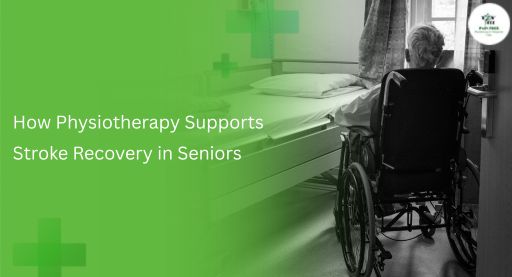
How Physiotherapy Supports Stroke Recovery in Seniors
Stroke can significantly impact mobility, strength, and independence, especially in older adults recovering from its effects. Physiotherapy is essential in helping older adults recover mobility, enhance stability, and gradually return to everyday activities. Early and consistent rehabilitation can greatly influence the speed and quality of recovery outcomes.
The World Health Organization reports that the likelihood of experiencing a stroke over a lifetime has risen by 50 percent in the last twenty years. It also estimates that one in four adults will face a stroke at some point in their lives. This growing prevalence makes effective rehabilitation strategies more important than ever for seniors.
In this article, we discuss key ways rehabilitation can help seniors regain function and improve their quality of life after a stroke.
Effects of Stroke on Physical Function
The effects of a stroke vary based on which part of the brain is affected, influencing different bodily functions. It often leads to weakness or paralysis on one side, making movement and coordination difficult.
The American Stroke Association explains that damage to one side of the brain typically impacts the opposite side of the body. It also notes that strokes affecting the rear regions of the brain can result in problems related to vision. Many seniors experience additional challenges such as speech difficulties, memory problems, and changes in thinking ability. Sensory changes and slower behavioral responses are also common.
Understanding these effects helps guide targeted physiotherapy and supports a more effective recovery process.
Role of Skilled Healthcare Guidance in Recovery
Qualified medical experts are essential in creating safe and personalized rehabilitation plans for stroke recovery. Physiotherapists evaluate each patient’s condition and develop focused exercise programs to gradually improve mobility and strength.
Close collaboration between doctors, therapists, and rehabilitation specialists ensures that treatment remains consistent and well-coordinated. This team-based approach helps address both physical and cognitive challenges during recovery. Advancing medical education pathways also reflect the growing emphasis on specialized knowledge in patient care and rehabilitation.
For instance, NP to MD programs highlight how professionals expand their clinical expertise to deliver more comprehensive care. Such expertise supports more accurate diagnosis and personalized treatment strategies.
According to Nurse Practitioner Degrees, certain accelerated medical programs provide pathways for nurse practitioners to transition into physician roles more quickly. These routes are suited for highly motivated professionals who meet admission criteria and are prepared for the demands of medical training. A multidisciplinary approach ultimately improves recovery outcomes and helps seniors regain independence more effectively.
Restoring Mobility and Strength Through Physiotherapy
Targeted exercises help improve muscle strength, coordination, and joint flexibility during stroke recovery in seniors. Gradual and consistent training supports better movement control and reduces physical limitations over time.
A study published in PubMed Central highlights that exercise-based rehabilitation significantly improves mobility, physical function, and participation in daily activities. It also emphasizes that recovery strategies should vary based on different stages. In the acute stage, low-intensity movements and limb exercises are recommended.
During the subacute phase, strength training, virtual reality exercises, constraint-induced movement therapy, and aquatic therapy are beneficial. In the chronic stage, aerobic exercises, strength training, Tai Chi, and Qigong help maintain long-term recovery progress.
Improving Balance and Preventing Falls
Balance training and coordination exercises are essential to reduce fall risk during stroke recovery in seniors. Therapists use targeted techniques to improve stability, posture, and controlled movement in daily activities.
Research published in Springer Nature shows that around 37 percent of stroke survivors experience at least one fall within six months after a stroke. It also indicates that nearly 30 percent fall each year, with 15 percent experiencing repeated falls. This risk is especially higher during early recovery when individuals begin regaining independence.
Physiotherapy helps strengthen muscles and improve coordination to prevent such incidents. Consistent training and guided support play a crucial role in ensuring safer movement and reducing fall-related complications.
Enhancing Daily Function and Independence
Therapy focuses on helping seniors relearn essential daily activities such as walking, dressing, eating, and personal care. Repetitive, task-specific training improves coordination and builds confidence in performing routine movements independently.
Therapists also introduce adaptive techniques and assistive tools to make daily tasks safer and more manageable. Gradual progress allows patients to regain control over their environment and reduce dependence on caregivers.
Functional training is tailored to individual needs, ensuring practical improvements in real-life situations. This approach not only restores physical ability but also boosts confidence and emotional well-being. Regaining independence plays a vital role in improving the overall quality of life after stroke recovery.
Emotional and Mental Support During Recovery
Many seniors experience anxiety, frustration, and reduced confidence while adjusting to life after a stroke. These emotional challenges can affect motivation and slow down overall recovery progress. Ongoing support from therapists and loved ones fosters a hopeful outlook and emotional strength.
Breaking recovery into small, attainable milestones boosts self-confidence and gradually builds a sense of achievement. Structured routines also provide stability and reduce feelings of uncertainty during rehabilitation.
Emotional health is strongly linked to physical progress and affects how actively individuals engage in rehabilitation. An encouraging environment that supports both psychological and physical needs promotes a steadier and well-rounded recovery.
Frequently Asked Questions
How often should seniors attend physiotherapy sessions after a stroke?
Seniors should attend physiotherapy sessions two to five times per week after a stroke, depending on severity and recovery stage. Frequency may decrease over time as progress improves, with home exercises supporting continued rehabilitation and long-term recovery outcomes.
What role does nutrition play in stroke recovery?
Nutrition supports stroke recovery by aiding brain healing, improving energy levels, and strengthening muscles. A balanced diet rich in protein, healthy fats, vitamins, and minerals helps reduce complications and supports rehabilitation. It also promotes overall physical and cognitive recovery in seniors.
Are there any warning signs of delayed recovery after a stroke?
Warning signs of delayed recovery after a stroke include persistent weakness, poor balance, difficulty speaking, or lack of progress over time. Increased fatigue, mood changes, or declining independence may also indicate the need for reassessment and adjustments in rehabilitation.
Supporting Recovery for a Better Quality of Life
Stroke recovery in seniors requires a structured and consistent approach that addresses both physical and emotional challenges. Physiotherapy plays a key role in restoring mobility, improving balance, and helping individuals regain independence over time. With the right guidance, personalized exercises, and ongoing support, seniors can achieve meaningful progress in their recovery journey.
A multidisciplinary approach further strengthens outcomes by ensuring comprehensive care at every stage. As stroke cases continue to rise, focusing on effective rehabilitation strategies becomes increasingly important. With dedication and proper support, seniors can improve their quality of life and regain confidence in daily activities.