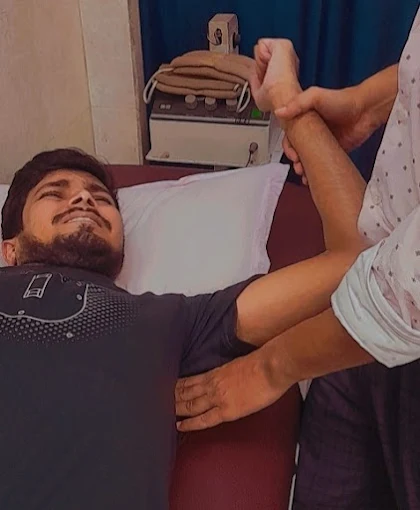






How Can Hip Replacement Physiotherapy Speed Your Recovery
Recovering from hip replacement surgery can be a challenging journey, but with the right physiotherapy, you can speed up your recovery and get back to your daily activities. Physiotherapy plays a crucial role in helping you regain strength, flexibility, and mobility. In this article, we will explore how physiotherapy can enhance your recovery after hip replacement surgery and what exercises you can expect to perform.
The Importance of Physiotherapy After Hip Replacement
Physiotherapy is essential after hip replacement surgery. It helps reduce pain, improve movement, and prevent complications. A well-structured physiotherapy program can help you recover faster and return to normal activities sooner. Here are some key benefits:
Pain Management
Post-surgery pain is common, but physiotherapy can help manage it effectively. Techniques such as massage, heat therapy, and specific exercises can reduce pain and swelling. A good physiotherapist will tailor a pain management plan that suits your needs, ensuring a more comfortable recovery process.
Enhancing Mobility and Flexibility
Regaining mobility and flexibility is a top priority after hip surgery. Physiotherapists guide you through exercises that gradually increase your range of motion. These exercises are designed to be gentle yet effective, helping you move more freely without discomfort.
Strengthening Muscles
After surgery, the muscles around your hip can weaken. Physiotherapy focuses on strengthening these muscles to support your new joint. Strengthening exercises can help you regain your stability and prevent future injuries.
Common Hip Rehab Exercises
Your physiotherapist will create a personalized exercise plan to meet your recovery goals. Here are some common exercises that may be included:
Ankle Pumps
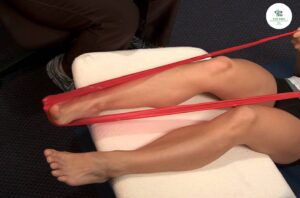
Ankle pumps are a simple exercise to improve blood circulation and prevent blood clots. While lying down, flex your ankles up and down slowly. This exercise can be done several times a day.
Heel Slides

Heel slides help increase knee and hip flexibility. Lie on your back and slowly slide your heel towards your buttocks, then slide it back to the starting position. Repeat several times.
Standing Hip Abductions

Stand with support, such as a chair or counter. Lift your leg to the side, keeping it straight, and then lower it back down. This exercise strengthens the muscles on the outside of your hip.
Glute Squeezes

Squeeze your buttocks muscles together and hold for a few seconds. This exercise strengthens the glutes, which support hip movement.
Seated Marching

While sitting, lift your knees alternately as if you are marching. This exercise helps improve hip flexion and strengthens your thigh muscles.
Choosing a Good Physiotherapist in Delhi
If you’re in Delhi, finding a good physiotherapist is crucial for your recovery. Here are some tips to help you choose the right one:
Check Qualifications and Experience
Ensure your physiotherapist is qualified and has experience in post-surgery rehabilitation. A specialist in hip replacement recovery will understand your specific needs and provide appropriate guidance.
Ask for Recommendations
Seek recommendations from your doctor, friends, or family who have undergone similar treatments. Personal experiences can help you find a reliable physiotherapist.
Visit the Clinic
Visit the clinic to assess the facilities and meet the physiotherapist. A well-equipped clinic with friendly staff can enhance your recovery experience.
The Role of Pain-Free Physiotherapy and Chiropractic Clinics

Pain free physiotherapy & chiropractor clinic
Pain-free physiotherapy and chiropractic clinic play a significant role in hip surgery recovery. These clinics focus on providing treatments that minimize discomfort and accelerate healing. Here’s how they can help:
Personalized Treatment Plans
Pain-free clinics tailor treatment plans to each patient’s needs, ensuring a more effective and comfortable recovery. By understanding your pain tolerance and limitations, they create a plan that optimizes your recovery.
Advanced Techniques
These clinics often use advanced techniques and equipment to aid recovery. From laser therapy to hydrotherapy, they offer a range of treatments that can complement your physiotherapy routine.
Ongoing Support and Guidance
Continuous support from your physiotherapist is vital. Regular check-ins and adjustments to your treatment plan ensure you are progressing well and address any issues promptly.
Tips for a Successful Recovery
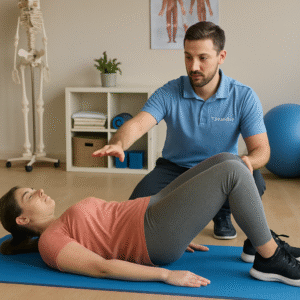
Following your physiotherapist’s advice is crucial, but there are additional steps you can take to enhance your recovery:
Stay Active
Engage in light activities as recommended by your physiotherapist to keep your body moving. This will help maintain your progress and prevent stiffness.
Follow a Balanced Diet
A nutritious diet supports healing. Ensure you’re getting enough protein, vitamins, and minerals to aid your recovery.
Listen to Your Body
Pay attention to your body’s signals. If you experience pain beyond your normal discomfort, inform your physiotherapist to adjust your exercises.
Set Realistic Goals
Setting achievable goals can motivate you throughout your recovery journey. Celebrate small milestones to keep your spirits high.
FAQs on Hip Replacement Physiotherapy
Q1. How soon should I start physiotherapy after hip replacement surgery?
Most patients begin physiotherapy within 24 to 48 hours after surgery, under medical supervision. Early movement helps prevent stiffness, blood clots, and supports faster muscle recovery.
Q2. What are the best exercises for hip replacement physiotherapy at home?
Common at-home exercises include ankle pumps, heel slides, glute squeezes, standing hip abductions, and seated marching. Always perform these under a physiotherapist’s guidance to avoid strain.
Q3. How long does hip replacement physiotherapy take for full recovery?
Recovery timelines vary, but most patients see significant improvement within 3 to 6 months. Consistency with exercises and following your physiotherapist’s plan are key to long-term success.
Q4. Can physiotherapy reduce pain after hip replacement surgery?
Yes, targeted physiotherapy techniques like massage, gentle stretching, and strengthening exercises reduce post-surgery pain, improve joint mobility, and speed up overall healing.
Q5. Is physiotherapy necessary if I feel fine after hip replacement?
Even if pain is minimal, physiotherapy is essential. It ensures proper joint alignment, restores strength, prevents future complications, and supports lasting mobility.
Conclusion
Hip replacement physiotherapy is a vital component of your recovery journey. With the right exercises, a skilled physiotherapist, and a supportive environment, you can speed up your healing process and regain your independence. Remember, your commitment and patience are key to a successful recovery. Stay proactive and follow your physiotherapy plan closely for the best results.