


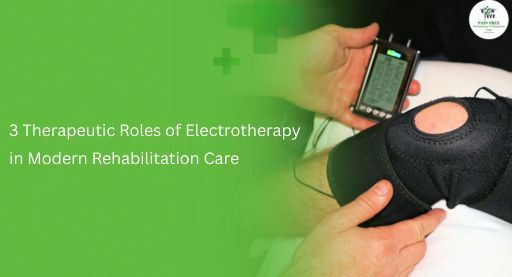
3 Therapeutic Roles of Electrotherapy in Modern Rehabilitation Care
Remarkably, a small electrical impulse can play such a powerful role in recovery. Electrotherapy is no longer a niche tool. It’s becoming a central part of rehabilitation care.
The worldwide electrotherapy systems market is projected to grow from about $4.96 billion in 2024 to $5.43 billion in 2025. This shows a rising demand for non-invasive treatment options in clinics and rehab centers worldwide. Also, we learn from this growth that more clinicians are embracing electrotherapy as a practical complement to exercise and manual treatments.
This article will explore the three key therapeutic roles of electrotherapy. You will learn how these approaches help patients recover more quickly and safely.
Pain Modulation
In rehabilitation, pain control is considered to be one of the primary clinical uses of electrotherapy. This is especially true of the early and mid-stages of recovery.
Modalities such as Transcutaneous Electrical Nerve Stimulation (TENS) and Interferential Therapy (IFT) target sensory nerves to alter how pain signals are processed before they reach the brain. Although this may not cure the source of pain, it reduces the intensity of symptoms to a significant extent.
As found in a 2025 meta-analysis of multiple clinical trials, inferential current and high-frequency TENS were effective in those with chronic lower back pain. Even better physical function was reported compared to those with no electrotherapy treatment. It shows electrotherapy is a supportive tool, if not a standalone solution.
Lower pain levels directly improve rehabilitation outcomes because patients can move freely and tolerate even manual techniques. The following key therapeutic effects can be observed:
- Modulation of pain perception, because electrical stimulation activates non-sensory nerve pathways
- Better joint mobility, since electrotherapy breaks the cycle of tightening of the surrounding muscles
- Improved tolerance to movement, as patients are more willing and able to perform corrective exercises
- Support in chronic conditions, including osteoarthritis and tendon disorders, without excessive dependence on medication
In short, what we observe is true functional recovery taking place. When muscular tension and discomfort reduce, active rehabilitation becomes possible.
Circulatory Support
In rehab care, electrotherapy is used to support even the processes involved in tissue repair and circulatory function. After an injury or surgery, local blood flow and cell activity at the wound site help determine how fast and thoroughly tissues heal.
Poor circulation and inflammation often delay the process of wound healing, especially in complex cases. Certain electrotherapy modalities, when applied alongside conventional care, are able to assist tissue repair.
In a 2024 systematic review, it was discovered that electrical stimulation considerably improved the state of diabetic ulcers. Now, this is a notoriously complex kind of wound to heal. To be more specific, patients who received electrical stimulation experienced a 45% greater chance of complete wound closure.
Such a promising prognosis seems to be the result of electrical stimulation’s positive effects on vascular function. Let’s list down the key therapeutic contributions:
- Better circulation of oxygen and nutrients, which are essential for tissue repair
- Reduction in swelling caused by fluid accumulation or edema
- Stimulation of cellular repair and synthesis of new tissue
- Complementary support for patients with limited mobility
In modern rehab units, an interdisciplinary team generally monitors tissue healing. For instance, nurses often track wound status and tolerance to therapy, including electrical stimulation. As Baylor University points out, one feels more confident about their nursing journey when they know what to expect.
This highlights the importance of trained nursing professionals in supporting recovery. For many healthcare graduates, getting a nursing job in orthopedic or rehabilitation units involves helping patients build circulation and mobility. This helps patients regain independence, even as they recover.
Postural Correction
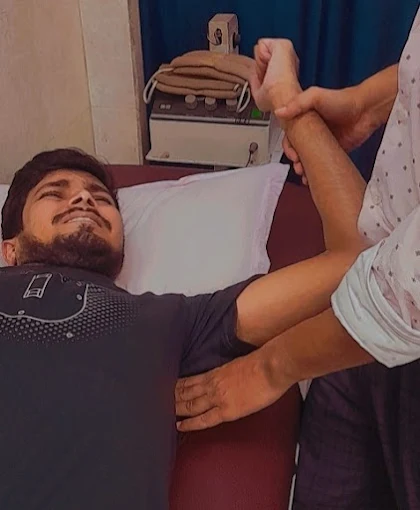
Abnormal muscle activity and changes in posture are two common barriers to recovery in rehab care. Be it post-stroke spasticity or chronic muscle hypertonia, each of these can limit one’s range of motion. Not only that, but these may also contribute to poor posture.
When electrical stimulation is given in a focused manner, it is able to reduce involuntary muscle tightness. As for post-stroke spasticity, a 2025 study found that TENS was able to control it. This benefit was observed across phases of recovery, both acute and chronic.
To expound, here’s a list of the possible clinical outcomes:
- Involuntary muscle spasms are reduced to a large extent.
- Posture gets better, which also contributes to better movement.
- Patients are better able to participate in corrective exercises.
It’s not uncommon to find physiotherapists working alongside nursing staff for better administration of the therapy. Together, they help patients transition from mild muscle stimulation to exercises that support posture and movement.
As electrotherapy is used in tandem with posture exercises, muscles learn to work correctly again. With consistent use, patients increase their chances of better performance in daily activities. Such physical benefits naturally improve confidence and psychological well-being.
At the heart of rehabilitation, people are looking for more than healing. They want to feel alive again. So, even small victories, like standing a bit straighter or bending the knee a little further, matter.
Tools like electrotherapy help create those early breakthroughs. In turn, they keep patients motivated to stay engaged in the hard work that recovery requires. Better outcomes are expected in the future as care becomes more personalized, supported by technology. In that sense, electrotherapy undoubtedly makes recovery possible again.