



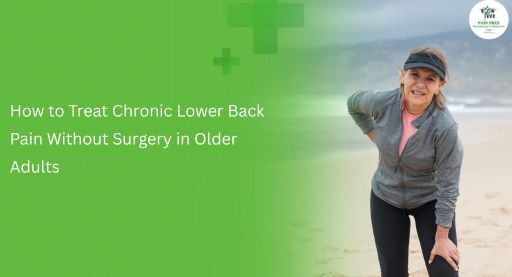
How to Treat Chronic Lower Back Pain Without Surgery in Older Adults?
Waking up to a sharp twinge in your back can cast a shadow over your morning. That sharp, aching, or stiff sensation makes daily tasks feel overwhelming before they even begin.
However, you aren’t the only senior who goes through this. In fact, chronic lower back pain is a major obstacle for aging adults.
Back pain in seniors often stems from aging discs, joint arthritis, and a narrowing of the spinal canal (stenosis). Not surprisingly, lower back pain is responsible for nearly 8% of all years lived with disability.
For a long time, doctors focused on surgery to fix lower back pain. That is no longer the only option today. There are more effective, safer, and gentler approaches available today.
Below, we’ll share a few tips that can help reduce your chronic lower back pain and improve mobility without surgery:
1. Take Pain Relief Medications
Medication is a primary tool for managing geriatric back pain. However, older adults typically experience a decline in hepatic blood flow, gastrointestinal motility, and renal function. So, many medications have longer-lasting effects.
Non-steroidal anti-inflammatory drugs (NSAIDs) like ibuprofen may reduce pain and inflammation. But they are unsafe because they increase the risk of gastrointestinal bleeding and peptic ulcers.
Acetaminophen (Tylenol) is often considered a safer first-line option. It doesn’t carry the same stomach or kidney risks as NSAIDs. Dosage matters, however. Taking more than recommended can cause liver damage or liver failure.
Here’s where nurses with a master’s degree make a real difference. These specialists understand how age-related changes in organ function, specifically the liver and kidneys, affect drug processing. So, they can help determine the safest dosage.
Nowadays, many nurses are trained through a direct entry master’s in nursing. This program is specifically designed for professionals transitioning to nursing from other fields.
Elmhurst University explains that the program delivers a clinical-first education, emphasizing hands-on training and safety standards to develop exceptional nursing expertise. Even these professionals prioritize cautious, tailored prescribing to shield older patients from preventable complications.
2. Try Physical Therapy
Don’t rush into bed rest just because you’re experiencing chronic pain. Prolonged rest causes stiffness and weakens the back muscles, which worsens pain. While it seems counterintuitive, safe, guided movement is one of the fastest ways to recover.
Refrain from attempting intense exercises on your own. That can do more harm than good. Try physical therapy. It offers a safe, personalized way to stay active.
For seniors, physical therapists provide tailored exercise programs that focus on:
- Core Stabilization: Strengthening the abdominal and paraspinal muscles to provide a natural brace for the spine.
- Flexibility and Range of Motion: Stretching the hip flexors and hamstrings to reduce the mechanical pull on the lumbar region.
- Postural Training: Teaching you to maintain neutral spinal alignment during sedentary and active tasks.
If you’re facing significant mobility challenges, your physical therapist will start with aquatic exercises, such as water walking and lunges. These exercises engage the core and lower back muscles without the jarring impact of land-based movement.
Research confirms the benefits of aquatic exercises. The SwimEx study found that aquatic exercise helps increase the size of multifidus (MF) and erector spinae (ES). These muscles support and stabilize the spine.
3. Modify Your Lifestyle
Your lifestyle significantly influences the chronicity and intensity of your back pain. You must make certain changes to reduce the mechanical load on the spine and improve systemic health.
Excess weight, particularly in the midsection, shifts the body’s center of gravity and places continuous strain on the lower back. This strain can lead to herniated discs and joint wear-and-tear. Losing even a modest amount of weight can significantly reduce this pressure and help the spine maintain its natural alignment.
Nutritional status is an equally important factor in geriatric spinal health. Deficiencies in Vitamin D, calcium, and phosphorus can impair bone density, increasing the risk of osteoporotic vertebral fractures.
Eat a balanced diet that includes lean proteins, fruits, vegetables, whole grains, and dairy or fortified alternatives to support bone strength and muscle function.
For seniors, the right mattress is a health tool, not just a comfort choice. AARP research suggests medium-firm options are best for back pain. They provide a balance between cushioning for sensitive joints and the firm support needed for spinal alignment.
Walking on hard ground can worsen back pain. Replace your footwear with plush, supportive shoes; their soles create a smoother stride that protects your hips and back.
Restoring Quality of Life Through Conservative Care
Living with chronic lower back pain as an older adult can be challenging. But that doesn’t mean you must give up the things you enjoy or rush into surgery.
You have so many tools in your kit that don’t involve an operating room. Follow these tips, and you can find significant relief.
Progress may feel slow at times, but don’t get discouraged. Every step counts. Be patient and stay consistent; you’ll notice improvement over time.