




What Conditions Does Dry Needling Treat?
If you’ve ever left a physical therapy session with a handful of tiny red dots on your shoulder or calf, you already know that dry needling looks a little intimidating before you understand what it’s doing. The needles are thin, thinner than the ones used for blood draws, and they’re not injecting anything. No medication, no fluid, nothing. Just a needle finding a tight, irritated knot in your muscle and giving it a reason to let go.
That simplicity is exactly why so many physical therapists, chiropractors, and sports medicine doctors reach for it. But the question people actually type into Google isn’t “How does dry needling work?” It’s “Will this help my problem?” So let’s get specific about what dry needling treats, why it works for those conditions, and when it’s probably not the right fit.
What Dry Needling Actually Targets
Dry needling zeroes in on myofascial trigger points those small, hyperirritable knots that form inside a muscle or its surrounding fascia. You’ve probably felt one without knowing the term for it. It’s that stubborn “knot” in your shoulder blade that a massage never quite works out, or the tight band in your calf that seems to trigger a headache every time you sit at your desk too long. Many clinics pair dry needling with other forms of manual therapy to release these trigger points more thoroughly.
When a clinician inserts a needle into that trigger point, it often causes a local twitch response, a quick, involuntary muscle contraction. That twitch is actually a good sign. It suggests the muscle fibers are resetting, blood flow is improving to the area, and the chemical irritants that built up around the trigger point are starting to disperse. The result, for most patients, is reduced tension, less pain, and better range of motion within a session or two.
Musculoskeletal Conditions Dry Needling Commonly Treats
This is where dry needling earns its reputation. It’s primarily used for musculoskeletal and myofascial pain, and the research and clinical practice around it covers a fairly wide range of trouble spots.
Neck, Back, and Shoulder Pain
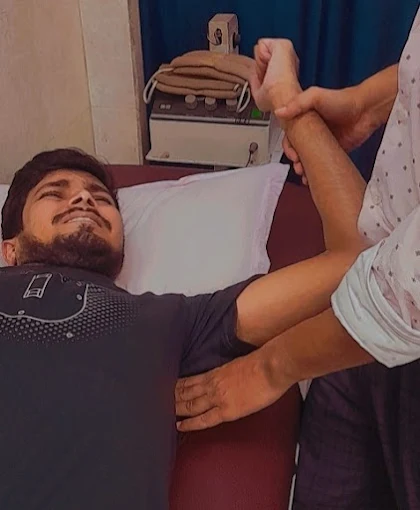
Dry needling is widely used for shoulder pain, rotator cuff issues, low back pain, and whiplash or neck pain. These are some of the most common reasons people book a session in the first place, especially if they’ve plateaued with stretching or manual therapy alone. If you’re dealing with neck pain, low back pain, or shoulder pain that hasn’t budged with rest alone, this is usually where dry needling makes the biggest difference. Desk workers and people who spend hours hunched over a phone tend to develop trigger points along the upper trapezius and levator scapulae dry needling can loosen those areas up faster than stretching alone.
Headaches and TMJ Pain
Tension headaches and temporomandibular joint pain, commonly known as TMJ, respond well to dry needling because trigger points in the jaw, neck, and upper shoulder muscles can refer pain directly into the head. If you’ve ever noticed your headaches getting worse after a stressful, jaw-clenching day, there’s a good chance tension in the neck and shoulders is playing a role and that’s exactly the kind of pain dry needling is built to address.
Sports Injuries and Overuse Conditions
Runners, cyclists, and weekend athletes make up a huge share of dry needling patients, and it’s a core part of most sports injury rehabilitation programs. Biceps tendinitis, iliotibial band syndrome, Achilles tendinitis, tennis elbow, and general muscle strains all show up on the list of conditions this therapy addresses in fact, tennis elbow is one of the most common overuse injuries we see respond well to it. Plantar fasciitis and hip and gluteal pain are also common targets, particularly for people training for races or recovering from a nagging overuse injury that just won’t quiet down.
Hip, Glute, and Lower Body Tightness
Hip pain is another area dry needling frequently addresses, especially when tightness in the glutes or hip flexors is limiting movement or contributing to compensatory pain elsewhere, like the lower back or knee.
Beyond the Basics: Where Dry Needling Is Being Explored Further
Dry needling’s reputation started in orthopaedic and sports medicine settings, but researchers have been testing its usefulness in a few other areas too.
- Post-viral muscle pain: A documented case involving long COVID-related myalgia found that dry and wet needling together produced meaningful short- and long-term relief for a patient dealing with persistent muscular pain after infection.
- Spasticity from neurological conditions: Clinical trials have looked at dry needling for spasticity related to multiple sclerosis and spinal cord injury, exploring whether it can improve muscle tone and mobility alongside standard rehab.
- Nerve-related lower limb pain: Some case studies have paired dry needling with hypertonia treatment for nerve-related pain like sciatica following spinal cord injury.
These uses are still emerging and shouldn’t be treated as first-line standard care the way musculoskeletal applications are, but they show the technique’s reach is expanding as more clinicians study it.
What Dry Needling Won’t Fix
It’s worth being upfront here: dry needling isn’t a cure-all, and a good provider will tell you that plainly. It’s typically most effective as part of a broader treatment plan that includes stretching, strengthening, posture correction, and sometimes manual therapy. If your pain is coming from something structural, a herniated disc, a fracture, or advanced arthritis, needling the surrounding muscle might ease secondary tension, but it won’t address the underlying issue.
Certain people also shouldn’t receive dry needling at all, including the following:
- People with a needle phobia or bleeding disorders
- Those currently on blood thinners without medical clearance
- Pregnant patients, in certain treatment areas
- Children under 12, since the treatment can be uncomfortable for younger patients
- Anyone with an active infection or compromised immune system near the treatment site
How It Differs From Acupuncture
People conflate these two constantly, and it’s an understandable mix-up since both use thin, solid needles. Acupuncture is rooted in Eastern medicine and focuses on a holistic approach, placing needles along pathways called meridians to promote healing and rebalance energy. Dry needling, on the other hand, is grounded in Western anatomy and physiology; it targets dysfunctional muscle and tissue directly rather than energy pathways, Same tool, very different philosophy behind where and why it’s placed.
What a Typical Session Looks Like
If you’re on the fence about trying it, knowing what to expect usually helps.
- Assessment first. Your provider examines the area, checks your range of motion, and identifies the specific trigger points contributing to your symptoms.
- Needle insertion. Thin, sterile, single-use needles go into the muscle, sometimes at multiple depths depending on the tissue involved.
- The twitch response. You may feel a brief cramp-like sensation or muscle twitch uncomfortable for a second, but it is not typically described as painful.
- Post-treatment soreness. Mild soreness for 24 to 48 hours afterward is common, similar to how a muscle feels after an intense workout.
- Follow-up care. Most providers pair needling with stretching or strengthening exercises to lock in the results.
Not sure if dry needling fits your specific condition? It’s always worth getting a professional opinion first, you can book a consultation and have a clinician assess your pain before deciding on a treatment plan.
Is Dry Needling Worth Trying?
For people dealing with stubborn muscular pain that hasn’t responded to rest, stretching, or basic physical therapy, dry needling is genuinely worth a conversation with a licensed provider. It’s most reliable for musculoskeletal pain, necks, backs, shoulders, hips, and overuse injuries from sport or repetitive strain. The emerging research into neurological and post-viral applications is promising but still developing, so it’s reasonable to keep expectations grounded in what the technique does best.
As with any hands-on treatment, results vary from person to person, and the skill of the provider matters as much as the technique itself. If you’re considering it, look for a physical therapist or clinician with specific dry needling certification, and don’t hesitate to ask how many similar cases they’ve treated before you get started. Our own Dr. Roshan Jha, a certified dry needling therapist, takes exactly this approach assessing the root cause first, then building a treatment plan around it rather than needling on autopilot.
Frequently Asked Questions
What does dry needling help with the most?
Dry needling is most effective for musculoskeletal pain tied to muscle trigger points, including neck and back pain, shoulder and rotator cuff issues, tension headaches, and sports-related injuries like tennis elbow or Achilles tendinitis.
Is dry needling good for sciatica?
Dry needling can help ease muscle tightness in the lower back and glutes that contributes to nerve compression and sciatic-type pain, though it doesn’t treat the underlying disc issue if one is present. It’s usually most effective when combined with other physical therapy.
How many dry needling sessions does it take to see results?
Many patients notice some relief after just one or two sessions, but a typical treatment plan runs anywhere from four to six sessions for lasting improvement, depending on how long the pain has been present.
Can dry needling make pain worse before it gets better?
Yes, mild soreness for a day or two afterward is common and expected. It’s usually a sign the muscle is responding to treatment rather than a red flag, but pain that worsens significantly or lasts more than a few days should be discussed with your provider.
Is dry needling the same as acupuncture?
No. Both use thin needles, but acupuncture is based on Eastern medicine principles involving energy pathways, while dry needling is a Western medical technique aimed directly at dysfunctional muscle tissue and trigger points.
Who should not get dry needling?
People with bleeding disorders, those on certain blood thinners, pregnant individuals in specific areas, children under 12, and anyone with an active infection near the treatment site are generally not good candidates.