



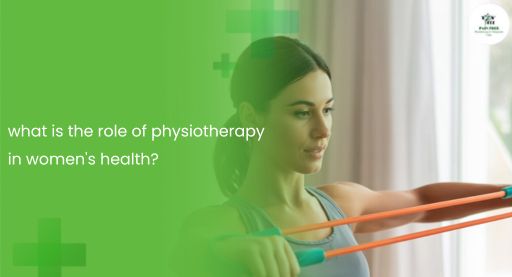
what is the role of physiotherapy in women’s health?
Women’s bodies go through major changes across life stages. From hormonal shifts and posture changes to pregnancy recovery and menopause, your muscles, joints, core, and pelvic floor all adapt. The role of women’s health physio is to assess what’s happening in your body, reduce pain, restore function, and help you move confidently with a plan that fits your stage of life.
What does women’s health physiotherapy treat
Women’s health physiotherapy commonly supports:
- Pelvic floor weakness or tightness
- Urinary leakage, urgency, or frequent urination
- Pelvic pain, tailbone pain, and painful intercourse
- Pregnancy-related back or pelvic girdle pain
- Postpartum recovery, including core weakness and diastasis recti
- Recovery after gynecological surgery
- Menopause-related changes like pelvic floor symptoms and joint stiffness
- Osteoporosis support through strength and balance training
This range matters because Google favors pages that cover the topic broadly, not only one angle.
The role of physiotherapy across women’s life stages
1) Teens and young adults

Physio can help with posture problems, sports injuries, hip pain, early back pain, and movement training. It also supports safe core strength and breathing habits that reduce strain later.
2) Pre-pregnancy and fertility journey


A structured strengthening programme can improve endurance, mobility, and pelvic floor physiotherapy control. This is also a good time to learn body mechanics for lifting, sitting, and daily movement.
3) Pregnancy

During pregnancy, your centre of gravity changes, ligaments become more flexible, and the pelvic floor works harder. A women’s health physio can:
- Reduce low back pain and pelvic pain
- Train safe breathing and core activation
- Teach mobility strategies for daily tasks
- Guide gentle strength training and flexibility work
4) Postpartum (normal delivery or C-section)

The postpartum phase is where many women ignore symptoms and “wait it out”. Physio supports:
- Core and pelvic floor recovery
- Scar mobility care guidance (when appropriate)
- Safe return to walking, lifting, and exercise
- Posture correction for feeding and carrying
5) Perimenopause and menopause

Hormonal changes may affect tissue strength, sleep, recovery, and bone density. Physio focuses on strength, balance, joint support, and pelvic floor control.
6) Healthy aging

Physio helps reduce fall risk, improves balance, strengthens hips and legs, and supports bone health routines for osteoporosis risk management.
What happens in a women’s health physiotherapist appointment
A good physiotherapist appointment usually includes:
- A private conversation about symptoms, lifestyle, and goals
- Posture and movement assessment (walking, bending, sitting habits)
- Core and hip strength checks
- Pelvic floor assessment when relevant and only with consent
- A plan that includes in-clinic care plus home exercises
You should always feel respected, informed, and in control of the process.
Treatment approaches used in women’s health physio
Depending on your condition, care may include:
- Pelvic floor relaxation or strengthening training
- Breathing mechanics and core coordination
- Manual therapy for mobility and pain relief
- Strength training for hips, glutes, and back
- Education on posture, lifting, and sleep positions
- Progressive return to activity plan
At-home physiotherapy and home visit support
Many women delay treatment because of time, childcare, or travel. That’s where home care physiotherapy can be a practical solution.
A professional home physiotherapy service can help when:
- You’re postpartum and mobility feels limited
- Pain makes commuting difficult
- You need supervised exercise progression at home
- You prefer privacy and comfort
You can request a physiotherapist home visit for guided sessions, equipment-free routines, and habit correction in your real environment.
How to alleviate back pain safely (quick, practical guidance)
If you’re dealing with recurring back pain, start with these basics:
- Avoid sitting for long sitting without breaks (stand every 30 to 45 minutes)
- Use a pillow support behind your lower back
- Practice gentle breathing with rib expansion (not shallow chest breathing)
- Begin light hip and glute activation, not only stretching
- Improve lifting technique: keep items close, bend knees, avoid twisting
If pain shoots down the leg, causes numbness, or worsens at night, don’t self-treat. Get assessed.
Delhi chiropractic and physiotherapy: where it may fit
Some clinics combine physiotherapy with Delhi chiropractic-style spinal care. For a few people, this can help with stiffness and mobility when used appropriately. The safest approach is integrated care: assessment first, clear diagnosis, and a plan that includes strengthening so the relief lasts.
Red flags: when you should see a doctor urgently
Seek medical advice promptly if you have:
- Fever, unexplained weight loss, or severe night pain
- Sudden loss of bladder or bowel control
- Heavy bleeding, severe pelvic pain with dizziness
- New numbness in the saddle area
- Rapid weakness in legs
Physiotherapy is powerful, but it must be used at the right time and for the right condition.
Myths vs facts
- Myth: “Leaks after childbirth are normal forever.”
Fact: Leakage is common but treatable in many cases. - Myth: “Kegels are always the answer.”
Fact: Some women need relaxation first, not more tightening. - Myth: “If pain is pelvic, it’s only a gynaecological issue.”
Fact: Muscles, nerves, and joints can also drive pelvic pain.
FAQs
Q. Is women’s health physiotherapy only for pregnant women
A. No. It supports pelvic health, bladder or bowel issues, pelvic pain, posture problems, menopause changes, and recovery after surgery.
Q. How many sessions are usually needed
A. It depends on the condition and consistency. Many people feel improvement within a few weeks, but long term stability needs progressive strength and habit changes.
Q. Can I take at-home physiotherapy sessions
A. Yes. At-home physiotherapy can be effective when sessions are supervised and you follow the plan correctly.
Q. How do I book a physiotherapist appointment
A. Choose a clinician who explains the plan clearly, respects privacy, and provides a structured rehab path with measurable goals.
Conclusion
The role of physiotherapy in women’s health is to restore control, comfort, and confidence across every life stage. Whether it’s pelvic floor concerns, postpartum recovery, menopause support, or guidance on how to alleviate back pain, women’s health physio offers practical, evidence-aligned care that improves daily function and quality of life.