

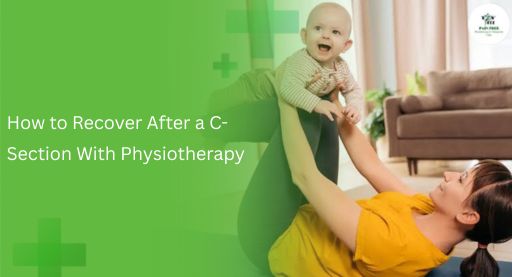
How to Recover After a C-Section With Physiotherapy
Nobody really warns you about this part. You survive labour, meet your baby, and then… you’re stuck sitting up in bed, wincing every time you cough, laugh, or try to reach for your phone. If that sounds familiar, you’re not alone. A C-section is major abdominal surgery, and your body needs real, guided healing not just “rest and see.”
That’s exactly where c-section recovery physiotherapy comes in. It’s not a luxury; it’s one of the smartest things you can do for your body after a cesarean delivery. In this post, we’ll walk through what happens to your body after surgery, how physiotherapy helps you heal faster, and simple, safe steps you can start using right away.
By the end, you’ll know exactly what post-c-section physiotherapy involves, when to start it, and how it can help with scar pain, weak core muscles, and that nagging backache that just won’t quit.
Why Your Body Needs More Than Just Rest After a C-Section
A cesarean section cuts through skin, fat, muscle, and connective tissue. Even though the incision looks small on the outside, there’s a lot going on underneath. Your abdominal muscles have been stretched and separated, your core is weak, and your posture has likely changed to protect the wound.
Here’s what commonly happens after a c-section:
- Abdominal muscle weakness and reduced core control
- Diastasis recti (separation of the abdominal muscles)
- Scar tissue tightness and numbness around the incision
- Lower back and pelvic pain from months of pregnancy posture
- Pelvic floor weakness, even though you didn’t deliver vaginally
- Poor posture from constantly bending to feed or lift your baby
Just resting won’t fix these issues on its own. Your muscles need to be re-activated the right way and that’s where postnatal physiotherapy after a caesarean makes all the difference.
What Is C-Section Recovery Physiotherapy?
Simply put, it’s a structured programme designed by a physiotherapist to help your body heal safely after cesarean surgery. Think of it as a roadmap, one that guides you from “I can barely sit up” to “I can carry my baby without wincing.”
A good post-cesarean physiotherapy plan usually includes:
1. Scar Mobilisation
Gentle massage and mobilisation techniques around the healed incision reduce tightness, improve blood flow, and prevent the scar tissue from sticking to deeper layers.
2. Core and Pelvic Floor Rehabilitation
Since your deep core muscles (including the pelvic floor) took a hit during pregnancy, targeted exercises help rebuild strength without straining the incision.
3. Diastasis Recti Correction
A physiotherapist checks the gap between your abdominal muscles and gives you safe exercises to close it gradually. Crunches are actually one of the worst things you can do here.
4. Posture and Back Pain Correction
Feeding, carrying, and rocking your baby all day can wreck your posture. Physiotherapy addresses this with targeted stretches and strengthening.
5. Breathing Techniques
Sounds simple, but proper diaphragmatic breathing actually kickstarts your deep core activation and helps reduce abdominal pressure.
When Should You Start Physiotherapy After a C-Section?
This is one of the most common questions we get. Here’s a rough guide:
- Week 1–2: Gentle breathing exercises, short walks, and posture awareness (with your doctor’s go-ahead)
- Week 3–6: Scar tissue work can usually begin once the wound has fully closed
- After 6 weeks: Once cleared by your doctor, core rehabilitation and structured exercise can ramp up
Every body heals differently, so this isn’t a strict rulebook. Always check with your gynaecologist before starting any physiotherapy after a Caesarean delivery.
Real-Life Example: Why This Matters
Take a new mum who had her c-section three months ago. She still felt a dull backache every evening and couldn’t do a single sit-up without discomfort. After a few weeks of guided postpartum physiotherapy scar release, core activation, and posture correction, she was finally able to pick up her toddler without that sharp twinge. That’s the real value of doing this right, instead of just “waiting it out”.
Simple Tips You Can Start Today
- Walk short distances daily, gradually increasing as you feel stronger
- Practice deep belly breathing before getting out of bed
- Avoid crunches or sit-ups until cleared by a physiotherapist
- Support your incision with a pillow when coughing or laughing
- Don’t ignore back pain; it’s often linked to weak core muscles, not just poor sleep
FAQs About C-Section Recovery Physiotherapy
1. How soon can I start physiotherapy after a C-section?
Gentle movement and breathing exercises can usually start within the first week, but scar and core-focused work typically begins after your doctor confirms the wound has healed, often around 4–6 weeks.
2. Does physiotherapy help with C-section scar pain?
Yes. Scar mobilisation techniques used in physiotherapy reduce tightness, improve mobility, and can significantly ease numbness or pulling sensations around the incision.
3. Can physiotherapy fix diastasis recti after a C-section?
In many cases, yes. A physiotherapist will assess the muscle gap and guide you through safe, progressive exercises designed to close it without straining the healing incision.
4. Is it normal to have back pain months after a C-section?
It’s common, but not something you should just live with. It’s usually linked to weakened core and pelvic floor muscles, and targeted physiotherapy can resolve it effectively.
5. Do I need a doctor’s referral for post-C-section physiotherapy?
Not usually, but it’s a good idea to get clearance from your gynaecologist first, especially if you’re still within the first six weeks after delivery.
Final Thoughts
Recovering after a C-section takes more than time; it takes the right guidance. C-section recovery physiotherapy helps you heal your scar, rebuild your core, fix your posture, and get back to feeling like yourself again, safely and confidently.
If you’re dealing with ongoing pain, weakness, or discomfort after your cesarean, don’t just push through it. Reach out to our team at Pain Free Physiotherapy for a personalised postnatal recovery plan built around your body and your healing timeline.