




What are symptoms of weak pelvic floor?
Do you leak urine when you sneeze or laugh? Do you feel a constant heaviness or pressure in your pelvic region? These are not just “normal” signs of aging or post-pregnancy changes; they are classic symptoms of a weak pelvic floor that deserve timely medical attention.
At our Pain Free Physiotherapy and Chiropractic Clinic, we regularly treat patients struggling with pelvic floor dysfunction who were unaware that physiotherapy could completely transform their quality of life. This guide will help you understand what a weak pelvic floor feels like, what causes it, and when it’s time to consult a pelvic floor physiotherapist.
What Is the Pelvic Floor?
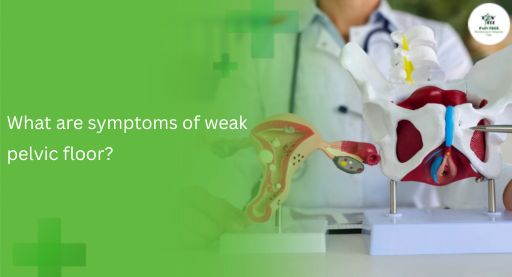
The pelvic floor is a group of muscles, ligaments, and connective tissues that form a hammock-like structure at the base of your pelvis. These muscles support your bladder, uterus (in women), bowel, and rectum. They also control urination and bowel movements and play an important role in sexual function.
When these muscles are strong and well-coordinated, everything works smoothly. But when they become weak, stretched, or damaged, a wide range of uncomfortable symptoms can emerge, affecting both men and women.
Key functions of pelvic floor muscles include:
- Controlling the release of urine and stool
- Supporting pelvic organs in their correct position
- Assisting in sexual function and pleasure
- Stabilizing the spine and pelvis during movement
What Are the Symptoms of a Weak Pelvic Floor?
Understanding weak pelvic floor symptoms early can prevent the condition from worsening. Here are the most common signs that your pelvic floor muscles may be weakened:
1. Urinary Incontinence (Leaking Urine)
This is the most well-known and widely reported symptom of pelvic floor weakness. It occurs in two primary forms:
- Stress Incontinence: Leaking urine during physical activities that put pressure on the bladder, such as coughing, sneezing, laughing, jumping, or running
- Urge Incontinence: A sudden, intense urge to urinate that is difficult to control, often leading to leakage before reaching the toilet
- Mixed Incontinence: A combination of both stress and urge incontinence
Many people, especially women after childbirth, assume urinary leakage is just a normal part of life. It is not. It is a treatable medical symptom.
2. Frequent Urination and Nocturia
Needing to urinate very frequently throughout the day, or waking up multiple times at night to urinate (nocturia), can be a direct indicator of pelvic floor dysfunction. When the muscles cannot properly support the bladder, it signals a need to empty even when not full.
3. Pelvic Organ Prolapse (POP)
When pelvic floor muscles are severely weakened, the organs they support, including the bladder, uterus, or rectum can descend or “drop” into the vaginal canal. Common symptoms include:
- A visible or palpable bulge in the vaginal area
- Feeling of pressure or heaviness in the pelvis
- A sensation that “something is coming out”
- Discomfort that worsens by the end of the day or after prolonged standing
4. Fecal Incontinence and Bowel Problems
The pelvic floor also controls bowel movements. Weakness in these muscles can cause:
- Inability to control the passage of stool or gas (fecal incontinence)
- Accidental bowel leakage
- Difficulty emptying the bowels completely
- Chronic constipation or straining during defecation
Research estimates that up to half of people with long-term constipation also experience some degree of pelvic floor dysfunction.
5. Pelvic Pain and Lower Back Pain
Persistent or recurring pain in the lower abdomen, pelvic area, hips, tailbone, or lower back can signal pelvic floor weakness or dysfunction. This pain may:
- Come and go or be constant
- Worsen with prolonged sitting, standing, or physical activity
- Be accompanied by a feeling of heaviness in the pelvic area
- Occur with or without bowel movements
Many cases of unexplained lower back pain are actually rooted in pelvic floor dysfunction, something often missed without a thorough physiotherapy assessment.
6. Pain During Intercourse (Dyspareunia)
Both men and women with pelvic floor problems can experience pain or discomfort during sexual intercourse. In women, this may feel like vaginal tightness, burning, or pressure. In men, it may present as pelvic discomfort or post-ejaculatory pain. Decreased arousal or reduced sexual sensation can also be associated with weak or overactive pelvic floor muscles.
7. Difficulty Emptying the Bladder or Bowel Fully
Feeling like the bladder or bowel hasn’t emptied completely after urinating or having a bowel movement is another hallmark symptom. This happens because the weak muscles are unable to coordinate properly during the process of elimination.
8. Lower Abdominal Pressure or Heaviness
A constant sensation of pressure, dragging, or fullness in the lower abdomen, especially when standing for long periods is a common but often overlooked pelvic floor weakness sign. This feeling tends to worsen toward the end of the day.
Weak Pelvic Floor Symptoms in Women
Women are significantly more susceptible to pelvic floor disorders due to the anatomical opening of the vagina in the pelvic floor. Specific symptoms of weak pelvic floor muscles in women include:
- Urine or stool leakage after vaginal delivery
- Prolapse of the bladder (cystocele), uterus, or rectum
- Reduced sensation during intercourse
- Perineal pain (area between vagina and anus)
- Symptoms worsening after menopause due to reduced estrogen
High-risk life stages for women:
- During and after pregnancy
- After vaginal childbirth (especially with a large baby or difficult delivery)
- During perimenopause and menopause
Weak Pelvic Floor Symptoms in Men
Pelvic floor dysfunction is not limited to women. Men also experience significant pelvic floor problems, particularly:
- Urinary leakage after prostate surgery (post-prostatectomy incontinence)
- Urine dribbling after urination
- Erectile dysfunction linked to pelvic muscle tension
- Prostatitis-like pain in the perineum, testicles, or lower abdomen
- Difficulty starting urination or weak urine flow
- Bowel control issues
What Causes a Weak Pelvic Floor?
Understanding the root causes helps with prevention and targeted treatment. The most common causes of pelvic floor weakness include:
- Pregnancy and childbirth: hormonal changes and physical stress on the pelvic floor
- Obesity: chronic excess pressure on the pelvic muscles
- Chronic constipation: repeated straining damages the muscles over time
- Aging: natural muscle weakening with age
- Pelvic surgery: hysterectomy or prostatectomy can affect muscle integrity
- High-impact sports: repeated heavy lifting or running without proper muscle conditioning
- Chronic cough: conditions like asthma or smoking-related cough
- Hormonal changes during menopause: reduced estrogen weakens muscle and tissue tone
- Neurological conditions: conditions affecting nerve signals to pelvic muscles
How Is Pelvic Floor Weakness Diagnosed?
A qualified pelvic floor physiotherapist will conduct a detailed assessment that may include:
- Clinical history: reviewing symptoms, lifestyle, and medical history
- Physical examination: internal and external assessment of pelvic muscle strength
- Biofeedback: sensors monitor pelvic muscle activity in real time
- Urodynamic testing: evaluates how well the bladder functions
- Ultrasound imaging: assesses structural integrity of the pelvic floor
Early diagnosis leads to better outcomes and often avoids the need for surgical intervention.
Treatment Options for Weak Pelvic Floor
The good news: pelvic floor dysfunction is highly treatable without surgery in most cases. At our Pain Free Physiotherapy and Chiropractic Clinic in Delhi, we offer evidence-based, non-invasive treatment including:
Pelvic Floor Physiotherapy (Kegel Exercises and Beyond)
A qualified pelvic floor physiotherapist will teach you how to correctly engage and strengthen specific muscles not just generic Kegel exercises. Incorrect technique can make the problem worse.
Benefits of pelvic floor physiotherapy include:
- Significant reduction in urinary and fecal incontinence
- Improved pelvic organ support
- Reduction in pelvic and lower back pain
- Better sexual function
- Improved core stability
Biofeedback Therapy
Biofeedback uses sensors to show real-time muscle activity on a screen, helping patients learn to contract and relax the correct muscles with precision.
Manual Therapy and Myofascial Release
For pain-related pelvic floor conditions, hands-on physiotherapy techniques release trigger points and tight muscles in the pelvic region.
Chiropractic Care
Chiropractic adjustments targeting the lumbar spine and sacrum can reduce nerve interference that contributes to pelvic floor dysfunction.
Lifestyle Modifications
- Maintaining a healthy body weight
- High-fiber diet to prevent constipation
- Proper bowel and bladder habits (avoid “just in case” urination)
- Avoiding heavy lifting without proper core bracing
When Should You See a Physiotherapist?
You should consult a pelvic floor specialist if you experience:
- Urine or stool leakage lasting more than a few weeks
- Pain in the pelvic, lower back, or hip area that does not resolve
- A feeling of pelvic pressure or a visible bulge
- Pain during or after sexual intercourse
- Difficulty with bladder or bowel emptying
Do not wait for symptoms to become severe. The earlier you seek help, the faster and more complete your recovery.
If you are looking for physiotherapy in Dwarka or physiotherapy in Delhi, the Pain Free Physiotherapy and Chiropractic Clinic offers specialized pelvic floor rehabilitation led by trained physiotherapists. We provide personalized treatment plans combining physiotherapy, biofeedback, chiropractic care, and lifestyle guidance to help you recover fully and confidently.
Can Pelvic Floor Weakness Be Prevented?
Yes, with proactive care and awareness, you can significantly reduce your risk:
- Practice correct pelvic floor exercises regularly (not just during pregnancy)
- Avoid chronic straining during bowel movements
- Manage body weight to reduce excess pelvic pressure
- Stay active with low-impact exercise like yoga, walking, or swimming
- Seek physiotherapy after childbirth as part of postnatal recovery
- Avoid prolonged sitting, take regular movement breaks
Frequently Asked Questions (FAQs)
Q1. How do I know if my pelvic floor is weak?
The most common signs are leaking urine when you cough, sneeze, laugh, or exercise; a frequent urge to urinate; a heavy or bulging sensation in the pelvic area; difficulty emptying the bladder or bowel; and pelvic or lower back pain. If you experience any of these, a pelvic floor physiotherapist can confirm the diagnosis through a clinical examination.
Q2. Can a weak pelvic floor heal on its own?
Mild weakness may improve with targeted exercises, but moderate to severe pelvic floor dysfunction rarely resolves on its own without professional guidance. Attempting Kegel exercises without proper technique can sometimes worsen symptoms. A physiotherapist can assess your specific condition and provide an effective, personalized rehabilitation plan.
Q3. What does a weak pelvic floor feel like?
People often describe it as a feeling of heaviness or pressure in the lower abdomen, a sensation that something is “falling out,” difficulty controlling urination or bowel movements, or pain in the pelvis, hips, or lower back. Some notice reduced sensation during sexual activity. The experience varies depending on the severity of the weakness.
Q4. Is pelvic floor dysfunction common in men?
Yes. While pelvic floor disorders are more commonly discussed in women, men can also develop pelvic floor weakness, especially after prostate surgery, from chronic constipation or heavy lifting, or due to aging. Symptoms in men include urinary incontinence, erectile dysfunction, pelvic pain, and bowel control issues.
Q5. How long does pelvic floor physiotherapy take to show results?
Most patients begin noticing improvement within 6 to 8 weeks of consistent physiotherapy. Full recovery may take 3 to 6 months depending on the severity of the condition. Early intervention typically leads to faster and more complete recovery.
Conclusion
Weak pelvic floor symptoms are far more common than most people realise and far more treatable than most assume. Whether you are experiencing urinary leakage, pelvic pressure, lower back pain, or sexual discomfort, these are not issues you have to live with silently.
At the Pain Free Physiotherapy and Chiropractic Clinic, our specialized team offers expert physiotherapy in Delhi and physiotherapy in Dwarka to help you restore pelvic floor strength, eliminate pain, and reclaim your quality of life without surgery or medication.
Book your pelvic floor assessment today and take the first step toward a pain-free, confident life.